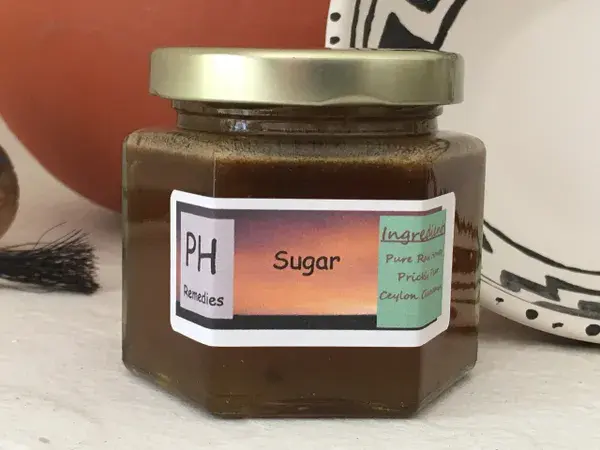
Diabetes Honey
Sugar - A formula for sugar imbalances. For thousands of years, Indian medicine has used this combination for diabetes and any related metabolic sugar imbalances. A rare Prickly Pear honey combines with the ancient herb of Ceylon Cinnamon.
Prickly Pear- Could the answer to preventing, controlling, and reversing your type 2 diabetes be found in the juice of a common cactus? The Opuntia Ficus-Indica is known as the Nopal cactus, but is most commonly referred to as the prickly pear cactus. Nopal grows wild and abundantly in desert climates such as Mexico, Arizona, New Mexico, and Southern California. Prickly pear cactus has been used medicinally for hundreds of years in Latin folk medicine and by southwestern Native American cultures. Its high levels of insoluble fiber help ward off diabetes. The fiber found in the flesh of the cactus slows the rate at which your body absorbs sugar, thereby keeping your glucose levels steady. Instead of sugar rapidly entering your bloodstream and causing insulin to spike, the prickly pear cactus acts as a gatekeeper by slowing down the absorption of sugar and naturally lowering your risk of diabetes. If you’ve been diagnosed with diabetes, the prickly pear cactus can still help control symptoms by lowering your blood glucose levels.
Ceylon Cinnamon – A growing body of research suggests that regular supplementation with cinnamon could help in thwarting the onset of diabetes, and potentially even provide better relief than mainstream therapies for already-diagnosed diabetics. Cinnamon intake, either as whole cinnamon or as cinnamon extract, results in a statistically significant lowering in FBG [fasting blood glucose] . But where cinnamon has a real leg up on all those drugs prescribed for diabetes is its safety profile. Apart from isolated claims that the coumarin content in cinnamon could potentially be harmful to the liver -- one would have to consume ghastly amounts of cinnamon for it to ever become harmful, despite all the hype -- there are no harmful side effects associated with consuming therapeutic doses of Ceylon cinnamon, which has 200 times less coumarin than everyday Cassia cinnamon.
